You don’t need to be a “spiritual person” to benefit from energy healing. And you don’t have to choose between suffering through intense isolation or performing your vulnerability in front of strangers. Plenty of people interested in personal growth hesitate because they assume a retreat has to be either an ascetic solo journey or an overwhelming group experience with zero privacy.
The most effective path often sits in the middle. It blends the stabilising rhythm of community with the focused attention of private care.
This hybrid approach removes the pressure to process complex emotions in public, but still gives you the safety net of shared human connection. You get the structure of a group without sacrificing the individual depth real change actually requires.
Why Choose Between One-on-One and Group Healing?
The idea that healing must be either intensely private or performatively communal ignores what adults new to this work actually need. When you weigh one-on-one healing sessions against group retreat formats, the real question isn’t which is superior. It’s how each serves a different function for your nervous system. Group practice builds a container of safety and normalisation. Individual work allows for targeted intervention without the anxiety of being watched by peers.
Combine the two and you get a retreat experience built around both your need for connection and your right to privacy. The structure acknowledges that lasting change takes collective resonance and individual calibration, not just one mode of engagement that might feel unsafe or simply not enough.
The Role of Daily Group Practice in Energy Work
Group practice at Bali Holistic Retreat is structured and gentle. It’s designed to settle your system, not demand emotional exhibitionism. You join daily meditation, yoga, breathwork, Tai Chi, and sound healing alongside a maximum of five other guests, which creates a predictable rhythm your body reads as safe. That shared baseline is what makes the deeper individual work possible, because your nervous system has already settled through consistent, low-pressure group activity.
Building Safety Through Shared Rhythm
Stability comes from repetition and predictability, especially when you’re exploring unfamiliar territory like intuitive healing for beginners. Waking up to the same schedule, eating meals together, moving through practices as a unit: all of this builds a physical sense of belonging that eases the hypervigilance many newcomers feel. You’re not expected to share your inner world during these times. You’re simply present, letting the group’s steady pace anchor your own exploration.
Collective Modalities Like Sound and Breathwork
Sound healing and group breathwork work differently to conversation-based therapy. They bypass the analytical mind and build coherence without asking you to say a word. These sessions let you feel collective energy without the social performance that can make group therapy exhausting for introverts or sceptics. The vibration and synchronised breathing do the work of alignment while you stay fully clothed and emotionally contained, a taste of connection that feels safe enough to let your guard down.
Private Healing Sessions: Depth Without Performance Pressure
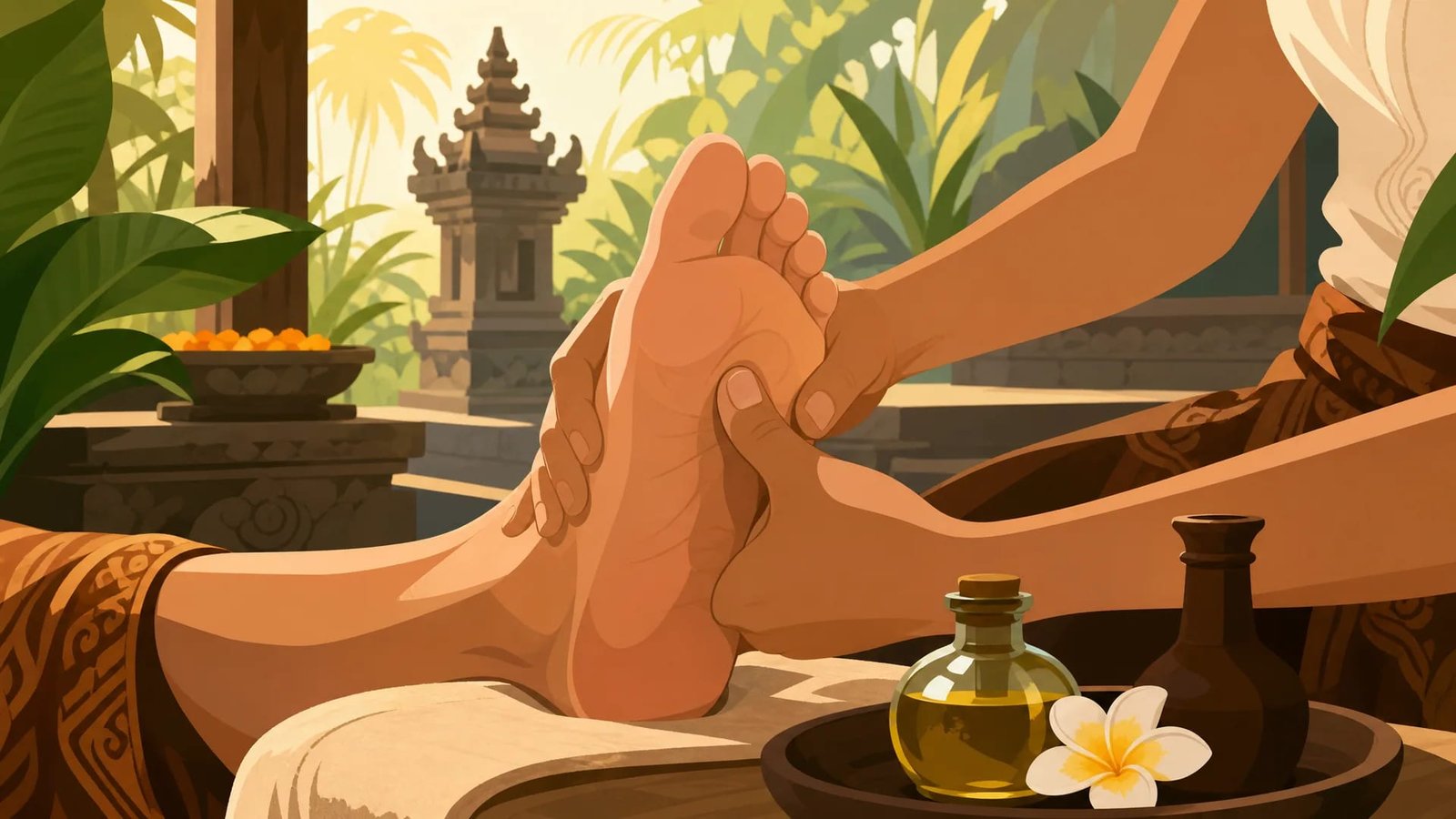
Bali Holistic Retreat schedules two private in-room healing sessions per day on designated days, so you get focused individual attention within the wider group container. These sessions happen in your private en-suite bedroom. You never have to walk across a public space feeling raw after deep energetic work. The healer comes to you, and the only expectation is your comfort and integration.
Tailoring Modalities to Individual Needs
Your private sessions might include Reiki, Theta healing, shamanic healing, reflexology, or medical intuitive massage, chosen and sequenced for your current state rather than a generic protocol. These modalities are delivered exclusively as part of the 7-day residential program, never as standalone drop-in appointments, which means facilitators can adjust your treatment plan in real time based on what surfaced during morning group practice or earlier sessions. That responsiveness is what lets the private work address actual blockages instead of following a script that’s gone stale by Wednesday.
Privacy and Integration in Your Own Room
Processing emotion in your own space means no jarring scramble to compose yourself before rejoining a group right after a breakthrough. You can rest, journal, cry, or stare at the ceiling without worrying about anyone else’s read on your healing journey. That autonomy over your own integration time is what separates a genuinely supportive environment from one more focused on group cohesion than on your pace.
Integrating Both Formats in a 7-Day Retreat Structure
The week follows a deliberate arc: mornings build collective energy, afternoons give you private integration. That rhythm is what prevents the burnout that comes from constant interpersonal exposure. Every day except Wednesday and Friday afternoon follows a fixed shape, meditation, breakfast, group practice, lunch, two private sessions, dinner, giving your nervous system clear boundaries between activation and rest. You can check the full breakdown in the 7-day energy healing retreat program to see how it all interlocks across the six nights.
How the Week Balances Connection and Solitude
Sunday arrival includes lunch and orientation to get initial bonds going. Saturday wraps with a closing brunch at Sindhu Beach to mark the relationships formed, without forcing a tearful farewell ceremony. Friday afternoon is unstructured free time, a chance to test your new equilibrium on your own before heading home. This back-and-forth between togetherness and solitude is what stops small group retreat dynamics from turning claustrophobic, even with only six guests in residence.
Off-Site Ceremonies as Bridging Experiences
Wednesday’s full-day temple ceremony and visit to a traditional Balian healer complement the in-villa work by placing your personal process inside a larger, older context. Meeting a Hindu priest for a cleansing blessing and visiting a healer on their own ground grounds the esoteric side of energy work in actual Balinese tradition, which cuts the abstraction that can leave Westerners feeling untethered. These excursions are included in the program, and they act as a shared anchor that deepens trust among guests before you return to the intimacy of private afternoon sessions.
Personalised Retreat Experience vs Standard Wellness Tourism
Commercial wellness resorts often spread personal attention across dozens of participants, which makes it next to impossible for facilitators to track individual progress or adjust modalities as needs shift. Bali Holistic Retreat caps attendance at six guests maximum, so facilitators can offer real personalisation instead of generic group programming that treats everyone the same. Your specific history, allergies, and energetic sensitivities get known and accommodated across the whole week, not just noted at intake.
The retreat is priced around USD 2,019.53 (this figure can change, so treat it as a guide rather than a quote), and it covers the entire week: private accommodation, all meals, airport transfer, and every scheduled modality. There’s no hourly therapy rate pushing volume over depth. That all-inclusive structure removes the financial anxiety of metered care, so you can surrender to the process without calculating whether another session fits the budget. You’re investing in a complete container, not buying discrete services, and that changes how safely you can explore vulnerable material.
Is a Hybrid Healing Format Right for You?
This format suits adults who want real transformation but need structural reassurance, that they won’t be abandoned in the intensity, or pushed into sharing before they’re ready. If past retreats have felt too isolating or too exposing, the combination of gentle group rhythm and private in-room sessions likely fills the gap that made those experiences feel incomplete. Reading guest transformation stories can help you see whether people with similar reservations found this balance worked for them.
Signs You Benefit from Combined Support
This approach fits if you value community but need real alone time to process without outside input or judgment. People who thrive here tend to like routine and clear expectations, feel drained by big-group dynamics, and want expert guidance without the clinical sterility of a therapy office. The hybrid model works best when you’re open to energy healing but want it delivered inside a framework that respects your pace.
When to Consider a Different Approach
This retreat does not replace clinical psychotherapy, psychiatric care, or crisis intervention. It isn’t designed for anyone currently in an acute mental health emergency or active substance dependence. If you need diagnostic assessment, medication management, or trauma processing that meets clinical standards of care, seek appropriate professional support before considering any holistic program. Energy healing complements medical or psychological treatment. It doesn’t replace it, and knowing that line matters for your safety and for the integrity of the work offered here.
Frequently asked questions
Can I book just the private healing sessions without attending the full week?
No, Bali Holistic Retreat does not offer single sessions, drop-in appointments, or standalone bookings of any kind. All healing modalities are integrated elements of the 7-day residential program and cannot be separated from the weekly structure. This policy ensures that individual work occurs within a properly prepared container rather than as isolated interventions.
What should a beginner expect from in-room healing sessions at a Bali retreat?
Expect two private sessions per day on scheduled days, delivered in your own en-suite bedroom by specialist healers using modalities like Reiki, Theta healing, or reflexology. Sessions are tailored to your current needs based on observations from group practice and previous treatments, not a fixed protocol. You remain fully clothed and can rest immediately afterwards without transitioning through public spaces.
How does a small group size affect the quality of personalised healing experiences?
With a maximum of six guests, facilitators can track individual progress, adjust modalities in real time, and accommodate specific dietary or energetic needs throughout the week. Larger groups inevitably dilute personal attention and force standardised programming that cannot respond to emerging individual patterns. The capped capacity ensures every guest receives genuine customisation rather than generic group delivery.
Is this retreat suitable if I’ve never done energy healing before?
Yes, the program is specifically positioned as an accessible entry point for people put off by stereotypically intense or ascetic retreat formats. Daily group practices are gentle and structured, private sessions happen in the safety of your own room, and no prior experience with any modality is required. Scepticism is welcomed and addressed directly rather than treated as resistance to be overcome.